
Yes, it’s January in New England – hardly prime gardening time – but it’s the perfect time to start your planning for the spring and summer. If you’re gardening in the city, soil quality is an important consideration. The concentration of lead and other heavy metals can be especially high in urban soil, particularly in an industrial city like Worcester. If you’re planning a vegetable garden this spring, this is prime time to find out what’s in your soil and what to do about it before you start planting food in it for your family table.
Why It Matters
The public health crisis in Flint, MI, has brought the effects of lead poisoning back into the public eye – but it doesn’t take a massive infrastructure failure to expose people to lead. In many urban areas, the soil itself has soaked up lead for generations. For many reasons, this is most likely to be an issue in low income communities, and it’s part of a continuing low-grade health crisis. Unless lead in the soil is addressed, healthy activities like playing outdoors and gardening can come with a cost. There are ways to deal with soil lead contamination, and Worcester features a number of organizations that can help.
Check out this video produced by Worcester’s own Toxic Soil Busters, a youth-led co-op that focuses on soil remediation and lead-free, safe landscaping (because our youth are awesome!) There’s contact information, including a link to a form to request a soil test, at the link above.
https://www.youtube.com/watch?v=3EvsJmkicf0
What You Can Do Now…
Winter isn’t usually a great time for soil testing in New England, because, you know, freezing temperatures, snow cover, and solidly frozen ground. This winter, though, we’ve had warm temperatures and almost no snow, making it fairly easy to collect soil samples. This clearly written guide from Indiana University-Purdue University Indianapolis explains where and how to collect soil samples, and what to do with them. It’s a lot easier than you think.
Garden Safe Garden Well – an Urban Gardening Guide
 The guide also explains various ways to ameliorate your soil, and to grow food safely in your back yard.
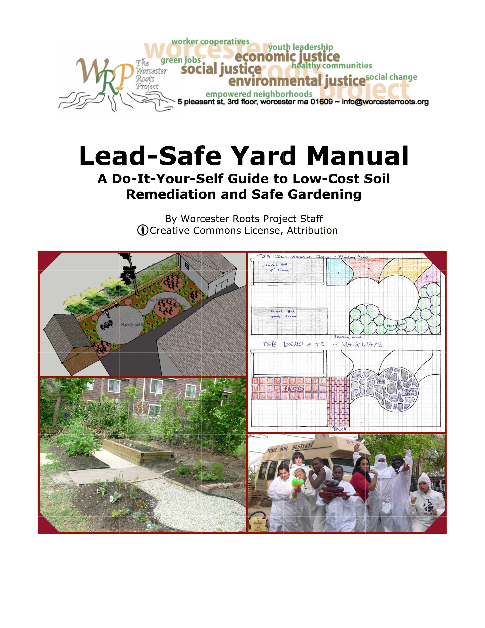
The Lead-Safe Yard Guide from Worcester Roots and Toxic Soil Busters includes lots of Worcester-specific information.


As always, Deb, you have shared a well-written post about a very important issue. I hope that this posting and printed materials will be made available to all the CDC’s in Worcester and WCAC. Another thought would be to provide this information at food pantries, and, in the future perhaps, to all SNAP recipients and other target populations.
Best Wishes for your continued good work